| 1. |  | Hiroshi Watanabe 2006 Kim He Ryon & Son So Yon, Pyongyang Schoolchildren's Palace Archival pigment print 32 x 32 in Watermark Fine Art Photographs & Books (CLOSED) |
| 2. |  | Hiroshi Watanabe 2006 Subway Station, Pyongyang Archival pigment print 20 x 20 in Watermark Fine Art Photographs & Books (CLOSED) |
| 3. |  | Hiroshi Watanabe 2006 Students & their Teacher, Mangyongdae Archival pigment print 20 x 20 in Watermark Fine Art Photographs & Books (CLOSED) |
| 4. |  | Hiroshi Watanabe 2006 Female Army Band, Grand Monument on Mansu Hill Archival pigment print 20 x 20 in Watermark Fine Art Photographs & Books (CLOSED) |
| 5. |  | Hiroshi Watanabe 2007 Unfinished Ryugyong Hotel, Pyongyang Archival pigment print 20 x 20 in Watermark Fine Art Photographs & Books (CLOSED) |
| 6. |  | Hiroshi Watanabe 2007 Movie Billboard, Jonsun Co-operative Farm Archival pigment print 20 x 20 in Watermark Fine Art Photographs & Books (CLOSED) |
| 7. |  | Hiroshi Watanabe 2007 Singers, Mangyondae Schoolchildren's Palace Archival pigment print 20 x 20 in Watermark Fine Art Photographs & Books (CLOSED) |
| 8. |  | Hiroshi Watanabe 2007 Boy Soldier, Army Day, Pyongyang Archival pigment print 20 x 20 in Watermark Fine Art Photographs & Books (CLOSED) |
| 9. |  | Hiroshi Watanabe 2007 Songdowon International Children's Camp Archival pigment print 20 x 20 in Watermark Fine Art Photographs & Books (CLOSED) |
| 10. |  | Hiroshi Watanabe 2006 Li Min Gyong, Pyongyang Schoolchildren's Palace Archival pigment print 32 x 32 in Watermark Fine Art Photographs & Books (CLOSED) |
| 11. |  | Hiroshi Watanabe 1999 White Terns, Midway Atoll Gelatin silver print 10 x 10 in Watermark Fine Art Photographs & Books (CLOSED) |
| 12. |  | Hiroshi Watanabe 2005 Museu d'Art Contemporani de Barcelona, Spain Gelatin silver print 10 x 10 in Watermark Fine Art Photographs & Books (CLOSED) |
| 13. |  | Hiroshi Watanabe 2002 El Arboito, Quito, Ecuador Gelatin silver print 10 x 10 in Watermark Fine Art Photographs & Books (CLOSED) |
| 14. |  | Hiroshi Watanabe 2004 Doji, Naito Clan Gelatin silver print 10 x 10 in Watermark Fine Art Photographs & Books (CLOSED) (Alan Griffiths, 7 November 2025) Dōji, Naitō Clan portrays a mask associated with the youthful male or divine child roles in Noh theatre, delicately balanced between innocence and transcendence. The fine carving and gentle curvature of the face capture a serene detachment that is both human and otherworldly. Within the Naitō clan’s tradition of mask-making, such refinement expresses the ideal of yūgen—a beauty found in subtlety and suggestion. The photograph, isolating the mask against a void of black, accentuates its floating, almost spectral presence, transforming the artifact into an image of contemplation. Through the interplay of light across its smooth surface and the half-seen gaze, the photograph reveals the paradox of Noh: a performance of profound emotion conveyed through restraint. In this still moment, the mask becomes a vessel for centuries of spiritual and artistic devotion, its quiet power bridging ritual, sculpture, and the photographic portrait. |
| 15. |  | Hiroshi Watanabe 2004 Nashiwari (Before), Ena Bunraku Gelatin silver print 10 x 10 in Watermark Fine Art Photographs & Books (CLOSED) (Alan Griffiths, 7 November 2025) Nashiwari (Before), Ena Bunraku captures a moment of poignant vulnerability within the Bunraku tradition. The puppet’s weathered face and humble expression—its painted features cracked and worn by time—convey a haunting humanity that transcends its wooden form. Dressed in patterned robes and bound with a simple headcloth, this figure suggests a character burdened by misfortune or moral trial, emblematic of the emotional realism that defines Bunraku storytelling. The photograph’s soft monochrome palette and centered composition heighten a sense of stillness and introspection, inviting viewers to read the puppet as both an artifact of performance and a vessel of lived emotion. In freezing this figure in its pre-performance state—the “before” of its narrative life—the image meditates on transformation, decay, and endurance, turning the theatre’s ephemeral art into an enduring study of compassion and time. |
| 16. |  | Hiroshi Watanabe 2004 Chujo, Naito Clan Gelatin silver print 10 x 10 in Watermark Fine Art Photographs & Books (CLOSED) (Alan Griffiths, 7 November 2025) Chujo, Naitō Clan presents a Noh mask rendered with an exquisite sense of suspended emotion—its serene yet pained expression capturing the duality of beauty and sorrow that defines Japan’s classical theatre. The mask, attributed to the traditions of the Naitō clan, evokes the refined aesthetics of Noh, where subtle shifts in angle and light transform fixed features into living presence. The photograph isolates the mask against a dark void, heightening its ethereal detachment and inviting contemplation of its symbolic depth. Through this minimalist composition, the image becomes less a document of an artifact than a meditation on transience, memory, and performance. The empty eyes, faintly catching light, suggest the moment before incarnation—the threshold between stillness and spirit. As a study in form and feeling, it bridges photography’s modern gaze with the centuries-old ritual of embodying emotion through crafted restraint. |
| 17. |  | Hiroshi Watanabe 2003 Jidai Baba, Ena Bunraku Gelatin silver print 10 x 10 in Watermark Fine Art Photographs & Books (CLOSED) (Alan Griffiths, 7 November 2025) Jidai Baba, Ena Bunraku portrays an aged female puppet from Japan’s Bunraku theatre tradition, her timeworn face delicately carved to express both frailty and enduring wisdom. The “baba” or old woman role is one of Bunraku’s most poignant archetypes—figures of memory, loss, and generational continuity that carry deep emotional resonance within the stylized narratives of Edo-period drama. In this intimate photograph, the puppet’s cracked patina and fixed, faint smile are rendered with quiet dignity, the monochrome palette emphasizing the tactile grain of the wood and the folds of her robe. The photographer’s close focus transforms a theatrical artifact into a meditation on transience and performance, suggesting the way human feeling persists through artifice and age. The image becomes both portrait and elegy—an homage to the artisanship and spiritual depth of Bunraku’s storytelling tradition. |
| 18. |  | Hiroshi Watanabe 2004 Shikami 2, Naito Clan Gelatin silver print 10 x 10 in Watermark Fine Art Photographs & Books (CLOSED) (Alan Griffiths, 7 November 2025) Shikami 2, Naitō Clan depicts one of the most fearsome visages in the Noh tradition—a demon mask frozen in an expression of fury and anguish. The exaggerated features, gaping mouth, and bulging eyes embody the shikami, a spirit of vengeance or torment whose ferocity is both theatrical and symbolic. In this close photographic study, the mask’s raw emotion is intensified by the tight framing and shallow focus, transforming it from ritual object into a psychological portrait. The photographer’s emphasis on texture—the sheen of carved wood, the minute wear of time—reveals the humanity that lies within terror, suggesting that such masks externalize emotions that performers and audiences alike must confront. Through its precise chiaroscuro and proximity, the image situates Noh not as an ancient spectacle, but as a timeless exploration of rage, suffering, and release. |
| 19. |  | Hiroshi Watanabe 2004 Tetsagatake, Ena Bunraku Gelatin silver print 10 x 10 in Watermark Fine Art Photographs & Books (CLOSED) (Alan Griffiths, 7 November 2025) This photograph of Tetsugatake, Ena Bunraku captures one of the expressive puppet characters from Japan’s traditional Bunraku theatre, a form of performance that combines narrative chanting, shamisen music, and exquisitely carved wooden puppets manipulated by skilled puppeteers. Originating in the Edo period, Bunraku dramatizes epic tales of loyalty, vengeance, and tragic love through the heightened gestures and masks of its characters. The figure of Tetsugatake, shown here with exaggerated facial lines, fierce expression, and intricate kimono, embodies the stylized masculinity and moral conflict central to Bunraku storytelling. In this modern photographic interpretation, the shallow depth of field and soft monochrome tonality isolate the puppet from its theatrical context, transforming it into a portrait that oscillates between sculpture and performance—a meditation on the persistence of Japan’s traditional arts in contemporary visual culture. |
| 20. |  | Hiroshi Watanabe 2003 Azusa Tukamoto as Osame, Matsuo Kabuki Gelatin silver print 10 x 10 in Watermark Fine Art Photographs & Books (CLOSED) (Alan Griffiths, 7 November 2025) In Azusa Tukamoto as Osame, Matsuo Kabuki, the photographer turns a moment of theatrical embodiment into a study of quiet grace and formal precision. The image, showing the actor from behind, focuses on the elaborate coiffure, hair ornaments, and patterned kimono collar—details that signify both gender and class in the codified world of Kabuki. By withholding the performer’s face, the photograph evokes the discipline of transformation at the heart of Japanese performance: identity is constructed through costume, gesture, and ritualized presentation rather than psychological expression. The soft monochrome tones and shallow depth of field heighten the sense of stillness, transforming the living art of Kabuki into an image of sculptural poise and introspective beauty. It stands as a meditation on performance, tradition, and the aesthetic of restraint that defines much of Japanese visual culture. |
| 21. |  | Hiroshi Watanabe 2003 Chikako Suga, Matsuo Kabuki Gelatin silver print 10 x 10 in Watermark Fine Art Photographs & Books (CLOSED) (Alan Griffiths, 7 November 2025) Chikako Suga, Matsuo Kabuki captures a moment of transformation that lies at the core of traditional Japanese performance. The photograph reveals the actor in partial costume and makeup, poised between the everyday and the theatrical. The stripped-back headband and the ghostly white face evoke the centuries-old discipline of the Kabuki performer, whose identity dissolves beneath layers of makeup and stylization. Yet in this quiet, frontal portrait, the mask of tradition becomes deeply human—introspective, vulnerable, and suspended between genders and roles. The tonal delicacy and controlled lighting emphasize the calm precision of the sitter’s presence, aligning the portrait with the aesthetics of Noh and Bunraku as much as with modern photographic portraiture. This image, simultaneously documentary and meditative, speaks to the enduring power of Kabuki to reimagine identity through artifice and ritual. |
| 22. |  | Hiroshi Watanabe 2004 Omasa's Hand, Ena Bunraku Gelatin silver print 10 x 10 in Watermark Fine Art Photographs & Books (CLOSED) (Alan Griffiths, 7 November 2025) Omasa’s Hand, Ena Bunraku focuses on a fragment—a puppet’s delicately carved hand emerging from layers of embroidered fabric. The photograph transforms this small gesture into an image of striking emotional resonance, evoking the unseen human presence that animates Bunraku’s wooden figures. In the play’s narrative, Omasa’s hand might signify tenderness, farewell, or devotion, but here, separated from the stage, it becomes a meditation on touch itself—the bridge between puppet and puppeteer, object and emotion. The shallow depth of field and soft monochrome palette heighten the tension between material and illusion, revealing the fragility of the handmade world from which these dramas arise. By isolating a single gesture, the photographer captures the essence of Bunraku’s artistry: how carved wood and cloth, guided by invisible hands, can embody the full range of human feeling. |
| 23. |  | Hiroshi Watanabe 2000 Sardar Market, Jodhpur, India Gelatin silver print 14 x 14 in Watermark Fine Art Photographs & Books (CLOSED) |
| 24. |  | Hiroshi Watanabe 1997 Street Lamp, Los Angeles Gelatin silver print 14 x 14 in Watermark Fine Art Photographs & Books (CLOSED) |
| 25. |  | Hiroshi Watanabe 1999 Battery Park, New York Gelatin silver print 14 x 14 in Watermark Fine Art Photographs & Books (CLOSED) |
| 26. |  | Hiroshi Watanabe 1999 Blue Lagoon, Iceland Gelatin silver print 10 x 10 in Watermark Fine Art Photographs & Books (CLOSED) |
| 27. |  | Hiroshi Watanabe 1999 Ellis Island 2, New York Gelatin silver print 10 x 10 in Watermark Fine Art Photographs & Books (CLOSED) |
| 28. |  | Hiroshi Watanabe 1996 Bubble Man, New York Gelatin silver print 14 x 14 in Watermark Fine Art Photographs & Books (CLOSED) |
| 29. |  | Hiroshi Watanabe 2000 Agra Fort, India Gelatin silver print 14 x 14 in Watermark Fine Art Photographs & Books (CLOSED) |
| 30. |  | Hiroshi Watanabe 2000 Santa Monica Pier Gelatin silver print 14 x 14 in Watermark Fine Art Photographs & Books (CLOSED) |
| 31. | 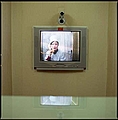 | Hiroshi Watanabe 2007 Visitor's Booth, Pyongyang Maternity Hospital Archival pigment print 20 x 20 in Watermark Fine Art Photographs & Books (CLOSED) |
| 32. |  | Hiroshi Watanabe 2006 Soldiers, Demilitarized Zone Archival pigment print 20 x 20 in Watermark Fine Art Photographs & Books (CLOSED) |
